Toyota Lexus
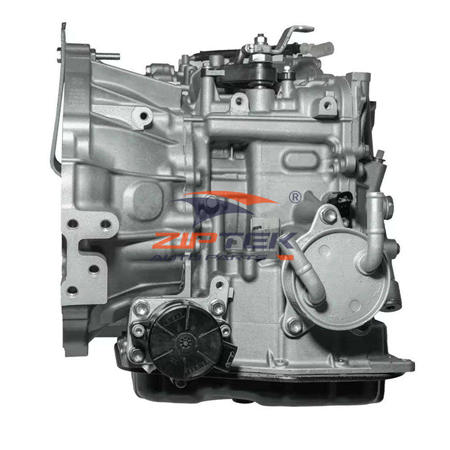
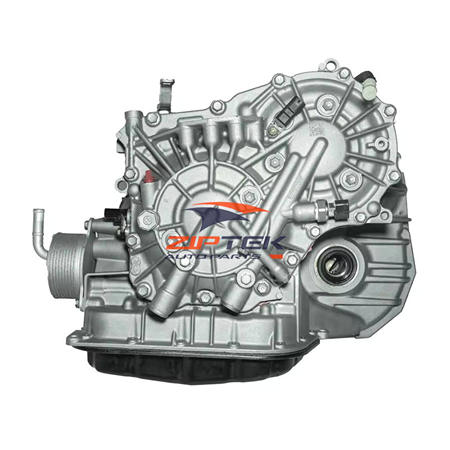
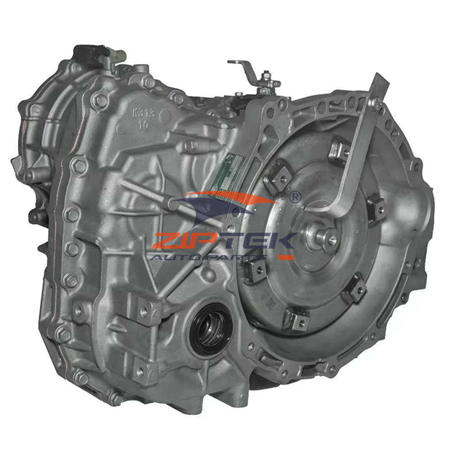
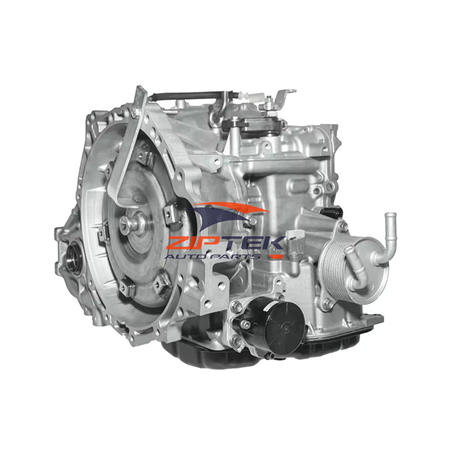
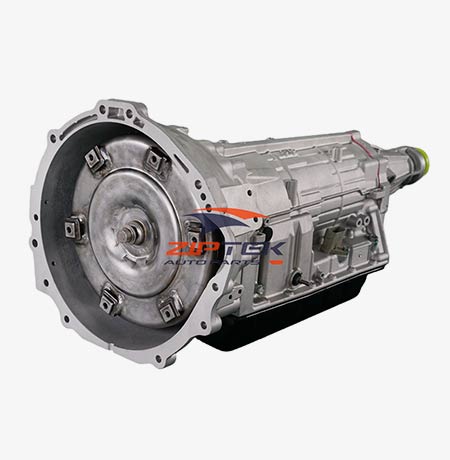
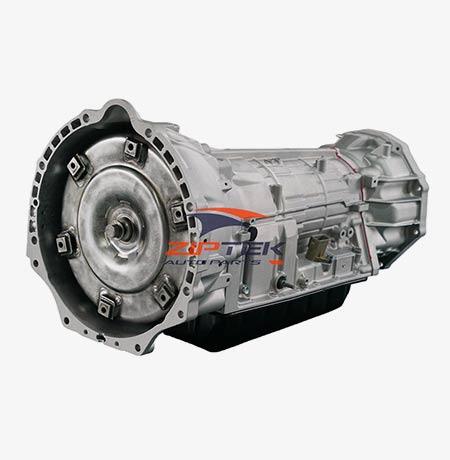
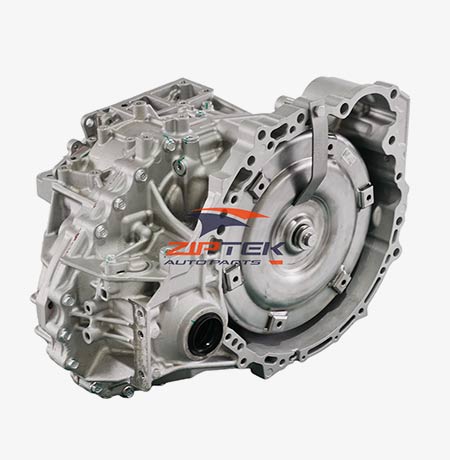
30400-12480 30400-12480 Toyota Corolla K313 Transmission
- OE NO.:30400-12480 30400-12480
- Model Number: K313
- Transmission Speeds:CVT
- Gearbox Type:CVT
- Product description: Application: Toyota Compact & Subcompact Vehicles: Corolla: 1.6L, 1.8L 2ZR-FE / 1ZR-FE FWD (2014 - 2022) Auris: 1.6L, 1.8L FWD (2012 - 2018) Yaris: 1.5L, 1.8L FWD (2014 - 2020) Levin: 1.6L, 1.8L
|
Model Number |
K313 |
|
MOQ |
1 Pcs |
|
Condition |
Remanufactured |
|
Warranty |
6 Months |
The Continuously Variable Transmission (CVT) assembly with reference number 30400-12480 is designed for the Aisin K313 (Super CVT-i). Engineered specifically for transverse front-wheel-drive layouts, this advanced unit features a torque converter for smooth launches and a high-capacity oil pump, delivering seamless acceleration and excellent fuel efficiency for the Toyota Corolla, Auris, Yaris, and related compact platforms equipped with 1.6L and 1.8L engines.
Quick Specifications:
- Part Number: 30400-12480 (Toyota OEM format)
- Transmission Model: K313 (Super CVT-i)
- Type: Continuously Variable Transmission (CVT) with Torque Converter
- Configuration: Transverse Front-Wheel Drive (FWD)
- Engine Compatibility: 1.6L (1ZR-FE) and 1.8L (2ZR-FE) engines
- Max Input Torque: ~180-200 Nm
- Fluid Type: Toyota CVTF FE (Fuel Economy) or CVTF TC
- Fluid Capacity: ~7.0 - 7.8 Liters (dry fill)
Applications:
- Toyota Corolla (E140 / E150 / E160, 2006-present, 1.6L/1.8L FWD variants)
- Toyota Auris (E150 / E180, 2006-2018, 1.6L/1.8L Valvematic variants)
- Toyota Yaris (Select global markets with 1.8L variants)
- Toyota Vios / Yaris Sedan (Select 1.5L/1.8L Asian market variants)
- Toyota Avensis (Select 1.8L Valvematic variants)
- Toyota Matrix / Pontiac Vibe (Select 1.8L FWD variants sharing the K313 platform)
Complete Assembly Includes:
✅ Aluminum transmission case with high-efficiency primary and secondary pulleys
✅ High-tensile steel push-belt
✅ Torque converter with integrated lock-up clutch for direct power transfer
✅ Advanced valve body with linear solenoids and high-flow oil pump
✅ Integrated Transmission Control Module (TCM) or external ECU interface
✅ Input/Output speed sensors, range selector, and differential assembly
✅ Sealing gaskets, O-rings, and fluid strainer
✅ High-tensile steel push-belt
✅ Torque converter with integrated lock-up clutch for direct power transfer
✅ Advanced valve body with linear solenoids and high-flow oil pump
✅ Integrated Transmission Control Module (TCM) or external ECU interface
✅ Input/Output speed sensors, range selector, and differential assembly
✅ Sealing gaskets, O-rings, and fluid strainer
Key Features:
✅ Super CVT-i Technology: Features a 7-speed sequential shiftmatic mode, allowing drivers to manually select simulated gear ratios for a more engaging driving experience.
✅ Torque Converter Launch: Utilizes a fluid torque converter instead of a start clutch, ensuring smooth, shudder-free launches from a stop and excellent low-speed creep in traffic.
✅ High-Efficiency Oil Pump: Optimized hydraulic pressure control reduces parasitic engine drag, significantly improving overall vehicle fuel economy.
✅ Wide Ratio Spread: Provides aggressive off-the-line acceleration while maintaining low engine RPM during highway cruising.
✅ Compact Packaging: Lightweight and space-efficient design perfectly integrates into Toyota's compact FWD engine bays.
✅ Torque Converter Launch: Utilizes a fluid torque converter instead of a start clutch, ensuring smooth, shudder-free launches from a stop and excellent low-speed creep in traffic.
✅ High-Efficiency Oil Pump: Optimized hydraulic pressure control reduces parasitic engine drag, significantly improving overall vehicle fuel economy.
✅ Wide Ratio Spread: Provides aggressive off-the-line acceleration while maintaining low engine RPM during highway cruising.
✅ Compact Packaging: Lightweight and space-efficient design perfectly integrates into Toyota's compact FWD engine bays.
Technical Notes:
Critical Installation Requirements:
- Fluid Specification: Must use Toyota CVTF FE (or CVTF TC depending on the exact year/market) exclusively. Using standard ATF or incorrect CVT fluid will destroy the push-belt and pulleys due to incompatible friction modifiers.
- Fluid Level Check: Must be performed with the transmission at a specific operating temperature (typically 35°C–45°C for the initial check, monitored via OBD2) and the engine idling, using the overflow check plug.
- ECU/TCM Calibration: After installation, a "CVT Initialization" and "Idle Learn" procedure must be performed using Toyota Techstream or equivalent diagnostic tools to reset the clutch adaptives and pulley calibration.
- Cooler Flushing: The transmission cooler (integrated into the radiator) and external lines must be thoroughly flushed to remove metallic debris and friction material from the failed unit.
Common Issues & Maintenance:
- Valve Body / Solenoid Wear: The precision linear solenoids are highly sensitive to fluid contamination. Regular fluid changes prevent abrasive debris from causing sticky valves or ratio control issues.
- Bearing Noise: Whining or humming noises at highway speeds can indicate wear on the input shaft, secondary pulley, or differential bearings, which are common wear items in high-mileage K313 units.
- Fluid Degradation: CVTF FE fluid loses its friction-modifying properties over time, leading to belt slip under heavy acceleration.
- Fluid Service Intervals: A drain and fill with genuine Toyota CVTF FE every 40,000–60,000 km is absolutely critical to maintain the health of the push-belt and extend the lifespan of the K313 transmission.
Categories
Latest News
Contact Us
Contact: Eren Xu
Phone: +86 17783349712
Tel: +86 23 67023058
Add: Factory Building No. 2, No. 1 Jinsuo Avenue, Liangjiang New Area, Chongqing, China